-
 Columbus voters have a choice to make in November on two proposed charter amendments that could change how city council members are elected.
 -
 Columbus City Council will consider putting a citizen-led change on the ballot this November at its Monday meeting. Alongside that, council is putting forth what it call "complimentary" proposals to the Our City Our Say petition.
 -
 It's in contrast to a ballot measure that Republican state lawmakers championed in 2023 that would have made it harder for citizens to amend the Ohio Constitution.
 -
 The Our City Our Say Coalition says no deal was reached with city council to compromise.
 -
 Organizers with Our City Our Say submitted more than 23,000 signatures, hoping to force a vote this November to change how Columbus City Council members get elected.
 -
 The community college says it is considering asking Franklin County voters to approve a 10-year, 1.9-mill levy that would generate $95 million annually.
 -
The proposed change would make it so only voters within each of Columbus' nine districts vote for their council member.
-
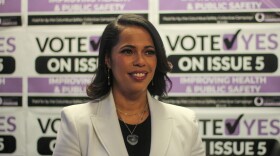 Issue 5 creates a team to send trained, non-police responders to emergency calls that don't involve a weapon or intent to harm. The amendment had no organized opposition.
 -
 Issue 5 on the May 5 primary ballot asks voters if they want to establish a team of clinicians and social workers to respond to non-violent crises in place of police officers.
 -
Rob Dorans wants a system with a mix of both 'at-large' council members elected by the whole city and district representatives that are only elected by voters within certain boundaries. The current system only has at-large council members with a district residency requirement.

© 2026 WOSU Public Media
Play Live Radio
Next Up:
0:00
0:00
Available On Air Stations


