

Ohio State professor Maju Brunette knew before leaving the port of Marmaris, Turkey the journey would be dangerous but continued forward.
Brunette participated in the Global Sumud Flotilla, a civilian-based initiative to provide aid and political action to Gaza by boat. Sumud comes from the Arabic term that means “steadfastness” or “resilience,” a Palestinian cultural value of enduring despite challenges.
The fleet was composed of humanitarians, doctors, students, union workers and other activists. The group carried cargo including nonperishable food, hygiene products, medical supplies, construction equipment, educational materials and letters of support from the worldwide community.
Efforts for aid come after two years of war between Israel and Hamas over claims of control and claims to Gaza. Brunette, a global health equity professor at OSU, made the transition to action after hearing of previous relief efforts in Gaza on the news.
“They were talking about the Global March to [Gaza]. And then I said, it was just an instinct, I said 'I must be there. I have to be there,'” Brunette said. “It's not like I have Palestinian blood or I've been or I have relatives, but as a health equity and social justice scholar… I felt compelled to join the Flotilla.”
There was no delegation from the United States at the time, Brunette said, so she joined the initiative to represent alongside other countries in attendance. According to the Global Sumud Flotilla website, more than 70 boats from more than 70 countries took part with upwards of 600 participants in the fleet.
On April 12, Brunette, along with other activists, maritime crew, Greenpeace International, NGO Open Arms and 22 other sailboats left from Barcelona, Spain to travel to the coast of Gaza. Later, the crew of their boat, the Azur, would learn of other flotilla boats that were intercepted by the Israeli Navy after they left Marmaris. Despite the disruptions, Brunette's group continued.
On the morning of May 18, Brunette’s boat was intercepted by Israeli forces in international waters. She remembered how the military personnel met them with violence: cutting the sails, kidnapping and beating their crew members. It took Israeli forces approximately 30 hours to intercept 45 boats in the flotilla.
The group was brought to Ktzi'ot Prison in Israel in handcuff and leg irons. The men and women were split up with nine people assigned to one cell. After three days of being detained, delegates from Turkey paid for Brunette and the rest of the crew’s airfare to leave the country.
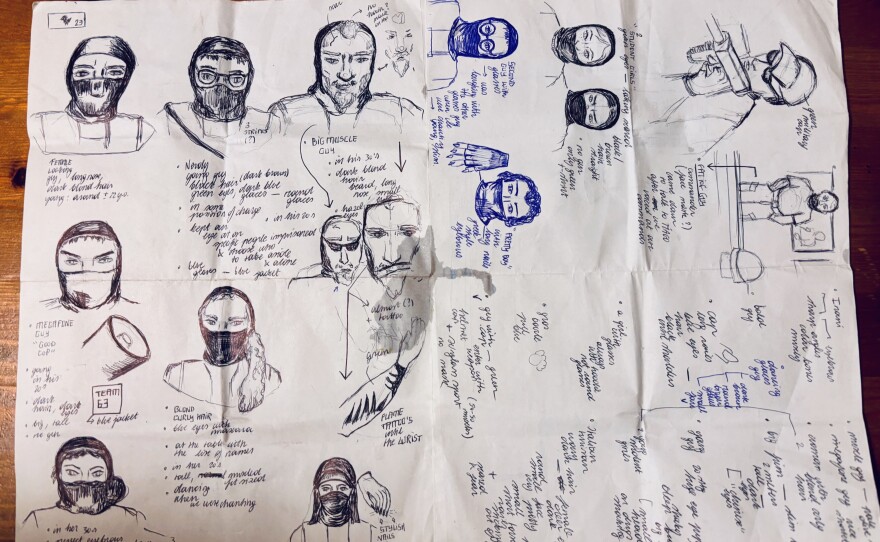
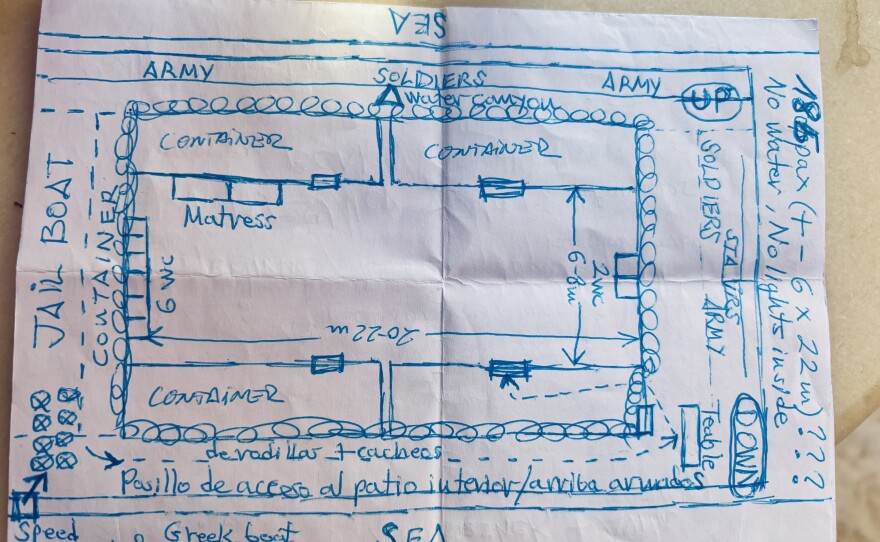
“We were doing everything legal. Every port we would go, we will go through the authorities. We knew what we were doing. And what Israel did is violate it. Kidnapped people, activists, human, unarmed civilians, pacifists,” Brunette said. “Each boat was packed with medicines. We packed our boats. I mean, all our space, there was not empty space, literally, because we packed it with two beautiful things. Number one, medicines. Number two, school bags.”
The remaining boats, full of aid, were left to float around the Mediterranean Sea without arriving at their intended destination, according to Brunette. Even though the flotilla ultimately never delivered its resources, Brunette is not deterred from their efforts to raise awareness.
“The beauty of the encounter, of the human encounter — we didn't do that…I think we grew as human beings and now, we're stronger and determined to continue. So, it feels actually quite empowering and it gives us more determination,” Brunette said.
Brunette believes that she is by no means a hero in comparison to the people who are profoundly affected by the war in Gaza, but she has a responsibility to act on humanitarian crisis.

“We see ourselves with a huge responsibility to continue on this, because we succeeded,” Brunette said. “We succeeded in moving the needle; number one, to be witnessing [Gaza], and number two, understand this must stop and what are we going to do about it?”
As a professor at Ohio State, Brunette’s humanitarian efforts come after universities in Ohio have been avoiding risk surrounding speaking about Gaza. In April of last year, OSU canceled a speaking event for cancer surgeon Dr. Nick Maynard who operated on victims of Israeli bombs. Last year, an Ohio University associate professor was replaced as a master's class teacher after participating in a similar flotilla.
Brunette said she loves her job, but believes those in academia can merge their studies with activism. For her, academics can't take responsibility for injustices that are happening, but says it’s up to them to decide what they are going to do about it.


